German expressionism was an early style of cinema which is widely accepted as the first form of artistic expression in film and known for it’s over exaggerated performances, obscure set design, dark aesthetic and gothic nature. Popular in the 1910s, 20s and 30s, German expressionism reflected the feelings of the German people after being affected by mass inflation, as a result of the Treaty of Versailles.

One thing that represents the moral in Germany at the time, is the high contrast between the dark and light presented in German expressionist films, with “shadows representing dread” and the bursts of light only casting the “darkness into greater relief“. After losing the war, and being made to pay war reparations to the allies, Germany’s economy was not in a good way.

German expressionism takes inspiration from eighteenth and nineteenth century gothic novels by cooperating main themes of landscape, weather and architecture. For example, ‘The Cabinet of Dr. Caligari’ (1920), used uncanny sets in a disorganised manor. Landscapes are disorientated with unusual angles and pointed formations. At the time, the set design was used to give an audience impression of a warped reality. Everything in the film, from the windows to the walls are either crooked, sloped or pointed, including buildings and other manmade structures.

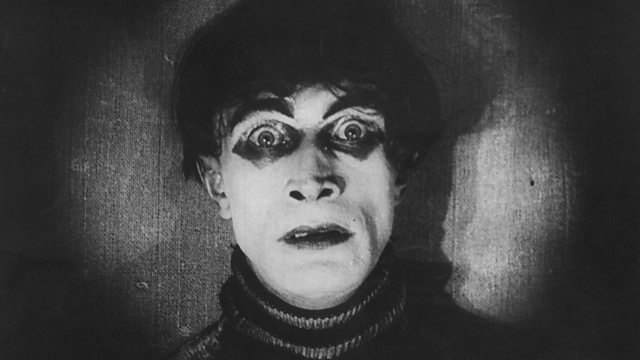
The actors are very theatrical in style, which makes for an overly dramatic performance. This style of performance opposed the style of realism shown in other world cinemas and adopted an acting style of expressionism, which pronounced the inner emotions of the protagonist. This style of acting fits the themes of madness and mystery presented as it is unlike reality.
German expressionism has been remembered throughout time, but not just as an art form, but as an influence for various other films. The strong contrast of expressionist films, with the harsh black shadows and bright white lights, has influenced the aesthetic choices of genres such as film noir. Unlike classic Hollywood films, noir Hollywood films present hard shadows to add a sense of unreality, similar to the way in which German expressionism uses shadows. Along with shadows, noir films uses cinematography and framing techniques in order to get a desired effect. For example, closeup and extreme closeup shots are used in order to intensify drama and to present a notion of fear to the audience, which shows a clear correspondence towards ‘The Cabinet of Dr. Caligari (1920)’.

Along with it’s influence on cinematography and lighting, German expressionism has also influenced many modern horror films. One of the earliest film recreations of Dracula, named ‘Nosferatu (1922)’, shows examples of early horror conventions, including a monstrous creature, which comprised of impressive makeup, made up of an enlarged head, pointed ears, long winders and a large crooked nose. The film would have appealed to the German people, as it is set in the early 1900s, and would have injected a shot of nostalgia as a remembrance of Germany’s glory days. ‘Nosferatu’ shares links with antisemitism. Portraying Nosferatu as a rich, Eastern European man with a crooked nose and often seen with many rats, indicates many common themes presented in antisemitism propaganda. This foreshadows the future of Germany, with Hitler’s rise to power just around the corner.

In conclusion, it is believed that German expressionism displays many concerns of the German people at the time, including anxieties around the Treaty of Versailles and antisemitism views, which would have been displayed due to the desperation at the time. ‘The Cabinet of Dr Caligari’ and ‘Nosferatu’ both present themes of unreality and fantasy with the unusual set design and costumes and makeup used. German expressionism has also influenced genres such as film noir, produced by Hollywood in the 1940s, and horror. Finally, the actors’ theatrical style takes it’s roots from stage theatre and this adds to the ‘unreal’ effect; giving the illusion of a dream. German expressionism is a very influential art form, known for it’s unique abstract style and has a had a large impact on cinema, as we know it.

 The Wider Screen